From Market to Table
How Farmers’ Markets Help Us
Waste Less and Eat Better
By stopwaste.org | Illustrations by Gary Handman
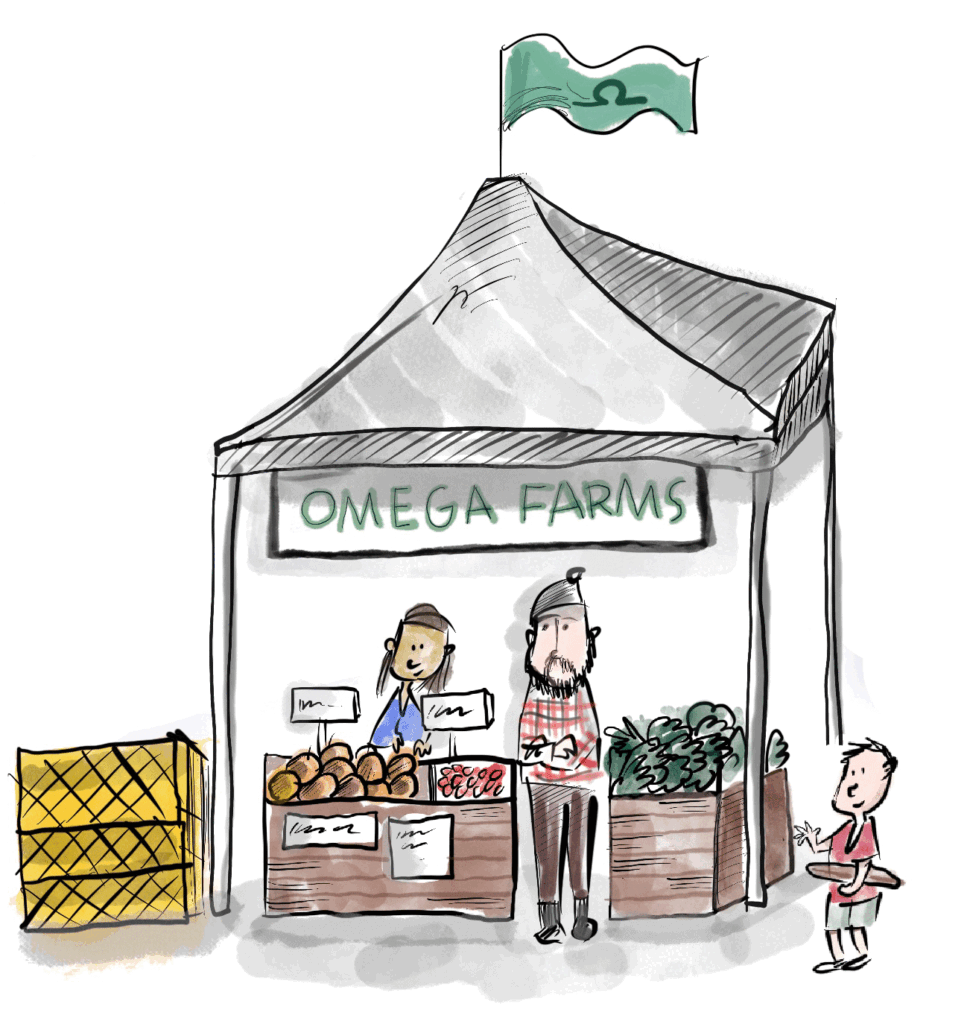
Farmers’ markets offer direct, meaningful connections to locally grown food and to the people who produce it. By bringing us closer to the seasons and the effort behind each harvest, markets encourage a deeper appreciation for food—and that appreciation naturally leads to wasting less.
Local farmers’ markets provide a vital alternative to the mainstream United States food system, in which more than 30 percent of the food supply goes uneaten. Unlike supermarkets, which rely on long supply chains, strict cosmetic standards, and confusing date labels that contribute to excessive waste, farmers’ markets make the food system more transparent. Shoppers can choose just-picked seasonal produce, ask questions directly, and learn how to store and use ingredients more efficiently.
By reconnecting us with our food, our farmers, and our community, farmers’ markets help reduce waste from the ground up—starting at the farm and continuing all the way to our kitchens.
Learning Through Community
Market Programs that Help Us Make the Most of Our Food
Farmers’ markets serve as access points for fresh, healthy food for everyone in the community, including the one in four Alameda County residents who face food insecurity. Many markets participate in the Market Match program, which provides CalFresh EBT card users with matching funds to spend on fresh produce at market stalls. At a time when supplemental resources are being threatened, farmers’ markets and other locally based food access points serve a vital role in ensuring that all of us have healthy food for ourselves and our families.
This spring, check out your local farmers’ market for fresh seasonal produce while helping build community and kitchen knowledge. Many markets have educational offerings and free programs that highlight the importance of these connections while helping us maximize our food and budgets. Keep an eye out for seasonal recipe inspiration, storage tips, cooking demonstrations, tours, and more.
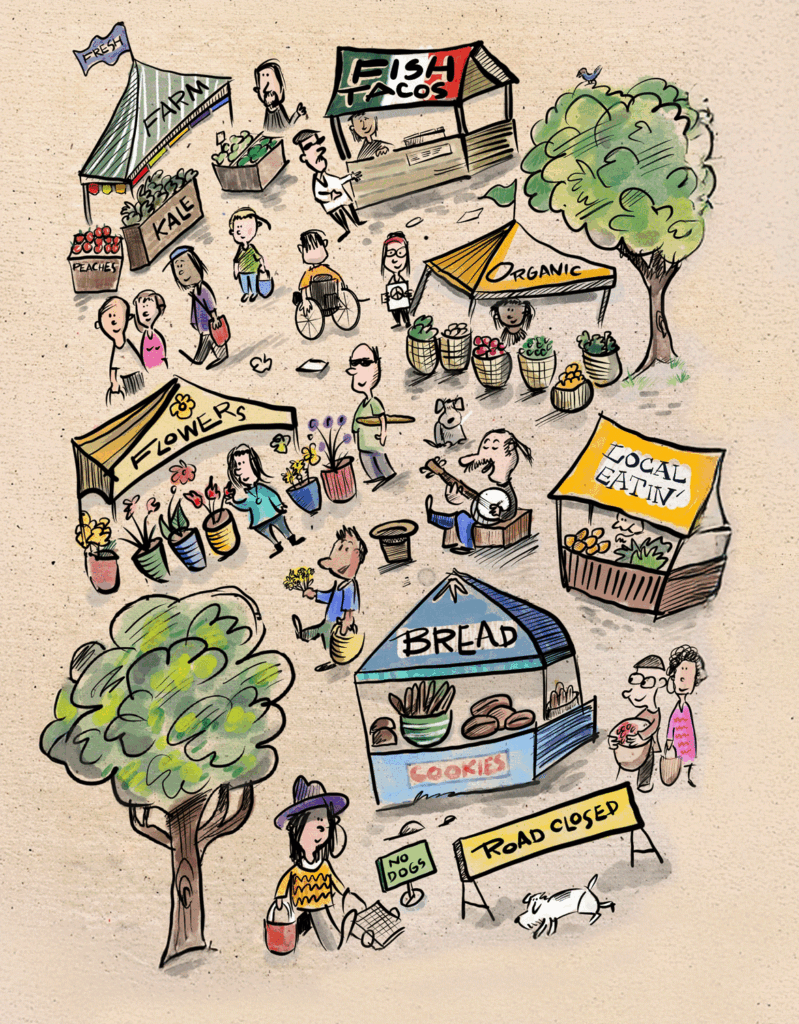
How farmers’ markets help us reduce food waste
Honor seasonality. Fresh, in-season produce that’s been harvested locally lasts longer.
Welcome “imperfect” produce. A crooked carrot or speckled apple tastes the same as its uniform supermarket cousin—sometimes better! When we embrace imperfection, we help cut waste on the farm.
Build relationships. Knowing your farmer turns food into something personal and valued—and people waste less of what they value.
Make us more adaptable cooks. Conversations with growers open doors to new ingredients, varieties, and tips for storing, freezing, or creatively cooking produce that might otherwise be overlooked.
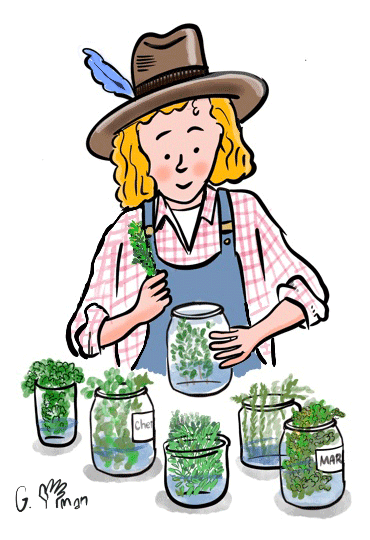 Food Storage Tip: How to Store Fresh Herbs
Store fresh herbs just like fresh flowers. For tender herbs like mint, dill, parsley, and cilantro, remove any wilted leaves, trim the stem ends, and place the bunch into a jar or glass with1–2 inches of water. Try to ensure that the leaves stay above the rim of the container.
Loosely cover the herbs with a plastic bag to retain moisture and place the covered jar in the refrigerator for up to two weeks. Be sure to change the water every few days (or when it starts to look cloudy) and remove any wilted or slimy leaves when you notice them.
Don’t wash the herb leaves until you’re ready to use them as the extra water can rot the leaves.
Note: Try this same storage tip for asparagus. It will keep the stalks fresh and crisp until you’re ready to use them!
 For more seasonal tips, recipes, and resources to help reduce food waste and make the most of the food resources you have, visit stopfoodwaste.org, winner of the 2022 Edible Communities Sustainability Award
Sponsored Content