Oysters of Tomales Bay
from 'Rolling with the Tides: a look at local oysters in this El Niño Winter' by Madelyn Markoe
Tomales Bay sits to the northeast of Point Reyes National Seashore in West Marin County, and is a favorite destination for Bay Area residents and visitors alike. It's a place to learn about local oyster aquaculture and relax with a platter of oysters on the half shell.
THE FARMS
Tomales Bay Oyster Company farms their Golden Nugget oysters at 15479 Shoreline Highway (Rte 1) in Marshall and at a nearby tidal flat. Stop by to purchase oysters, or head to The Marshall Store at 19225 Shoreline Highway (Rte 1) to enjoy a full menu of oysters and many other items.
Bodega Bay Oyster Company raises Olympia, Miyagi, Kumamoto, Belon, and Atlantic oysters in Bodega and Tomales bays. Visit their oyster bar at 12830 Valley Ford Rd, Petaluma.
Marin Oyster Company farms their Marin Miyagi and Marin Gem oysters in Marshall. Find these oysters at restaurants around the Bay.
Hog Island Oyster Co. farms Sweetwater, Highwater, Atlantic, Kumamoto, French Hog, Earthquake Bay, and Olympia oysters at various locations including their main farm at 20215 Shoreline Highway (Rte 1), Marshall, where you can take a tour and purchase oysters and gear. They have numerous oyster bars in the North Bay, a bar inside the SF Ferry Building, and one opening in 2027 in Lafayette.
THE OYSTERS
Illustrations by Charmaine Koehler-Lodge
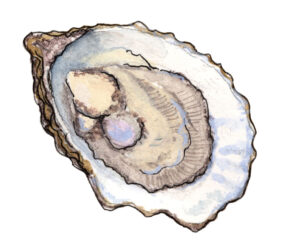
Tomales Bay Oyster Company’s Golden Nugget (Crassostrea gigas) is a small, plump, and briny tumbled oyster with a buttery finish.
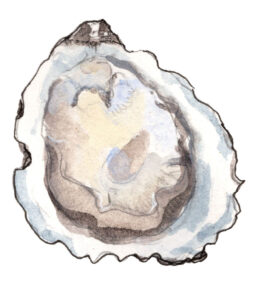
Olympia (Ostrea lurida) is a native treasure of the Pacific. Tiny and creamy, it offers intense flavors of copper, sweet cream, and celery salt.
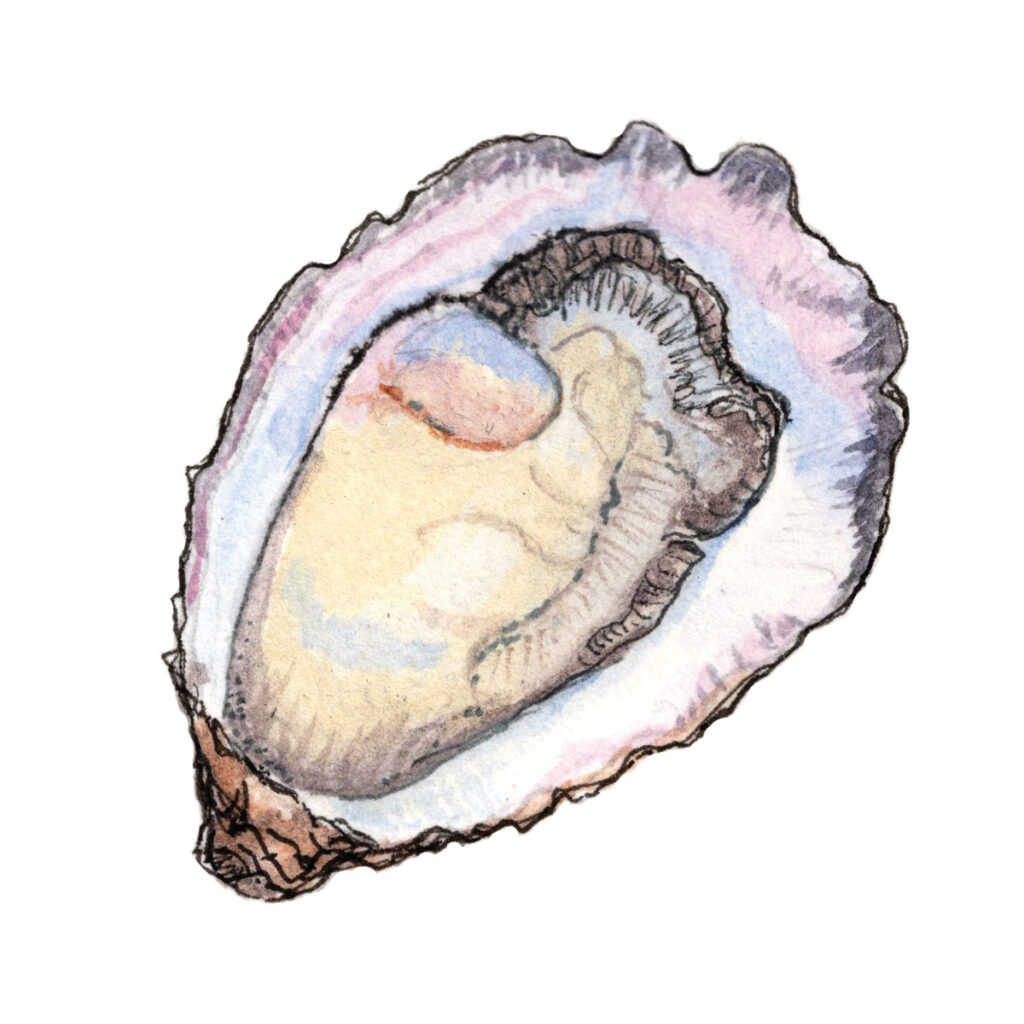
Marin Gem (Crassostrea virginica) is a small, tumbled oyster known for its strong minerality; delicate brininess; sweet, fruity notes; and creamy finish.
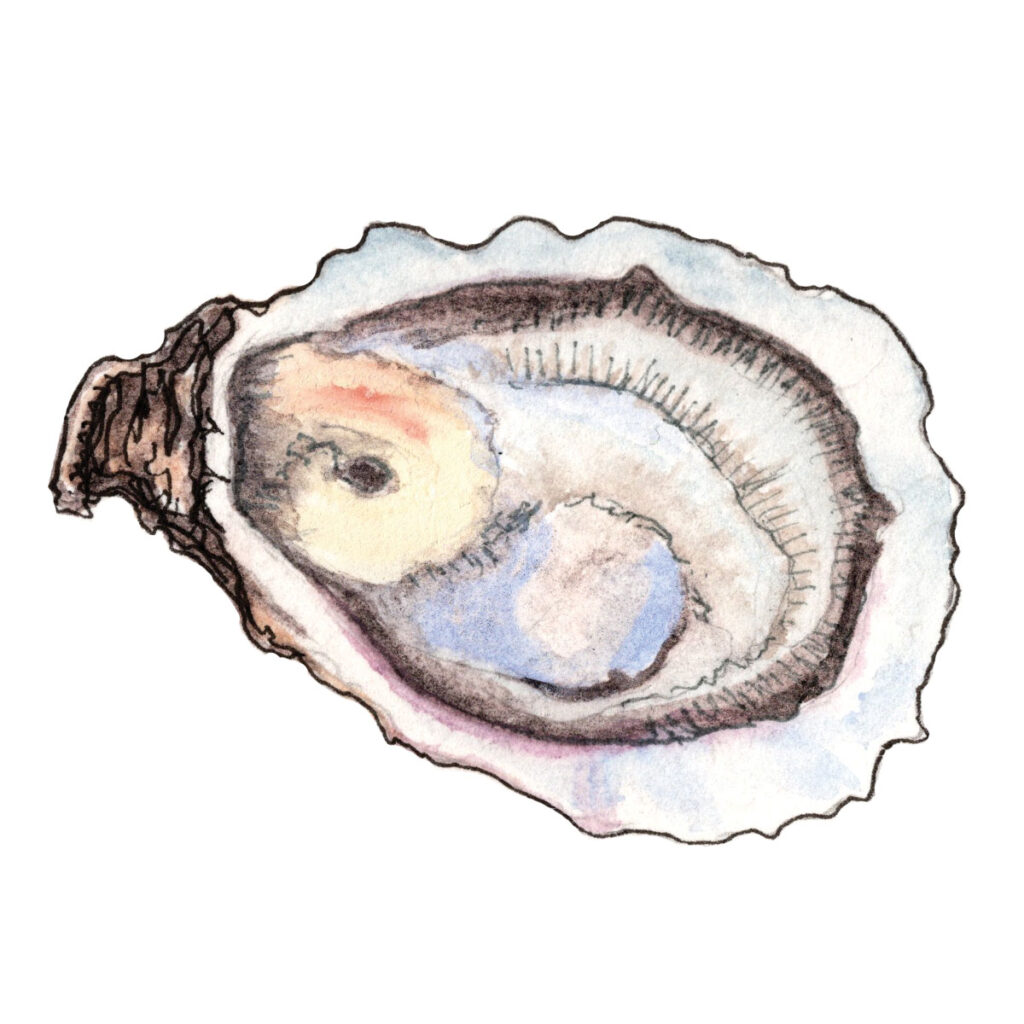
Kumamoto (Crassostrea sikamea) is a small, sweet oyster with melon notes. It’s not overly briny.
What are tumbled oysters? Some oyster farms use tidal action (or equipment) to regularly jostle the oysters as they are growing. The tumbling chips away at the delicate outer edges of the shells so the oysters redirect energy into building rounder, deeper cups that hold more meat and brine. Tumbling also strengthens the shells, which makes the oysters easier to shuck.
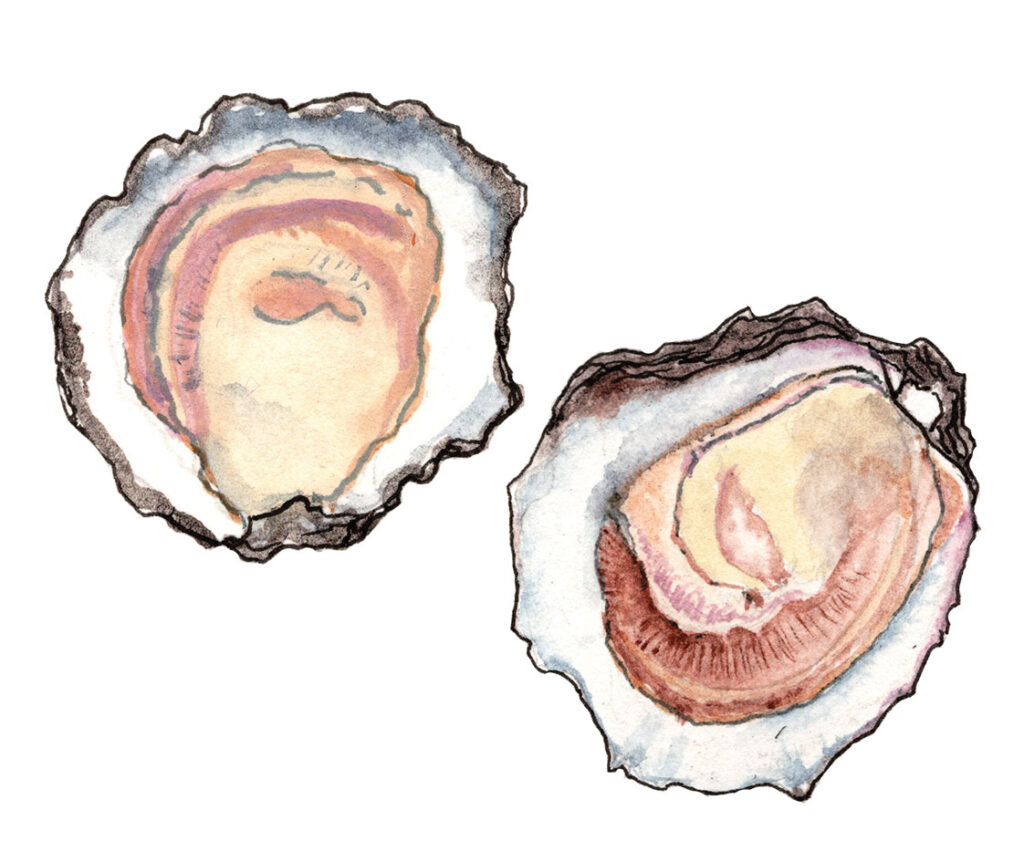
Hog Island Oyster Co.’s French Hog (Ostrea edulis) is also known as Belon for its origin in the Belon River of France. A meaty, chewy, briny oyster, it offers an intense, lingering, coppery finish.
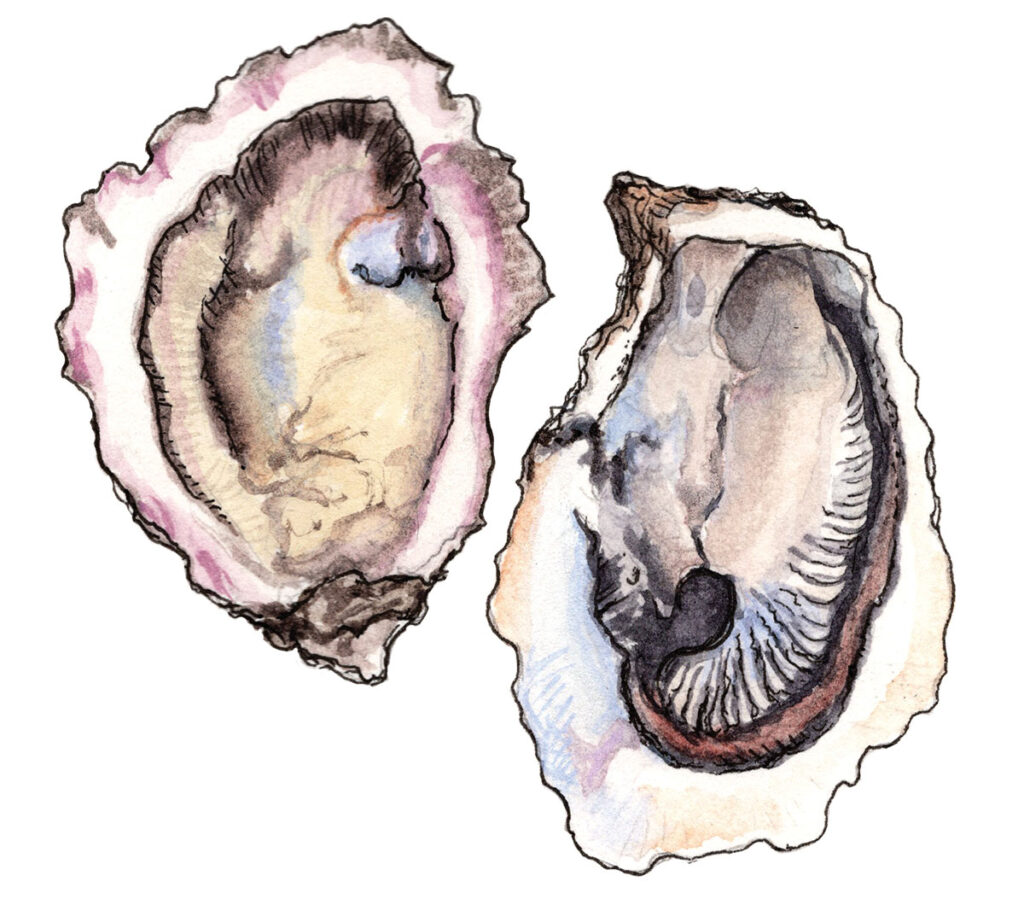
An oyster with Japanese heritage, Miyagi (Crassostrea gigas) is meaty and not too briny with a crisp, nutty, and balanced flavor. Marin Oyster Company has developed their own distinct version called the Marin Miyagi.
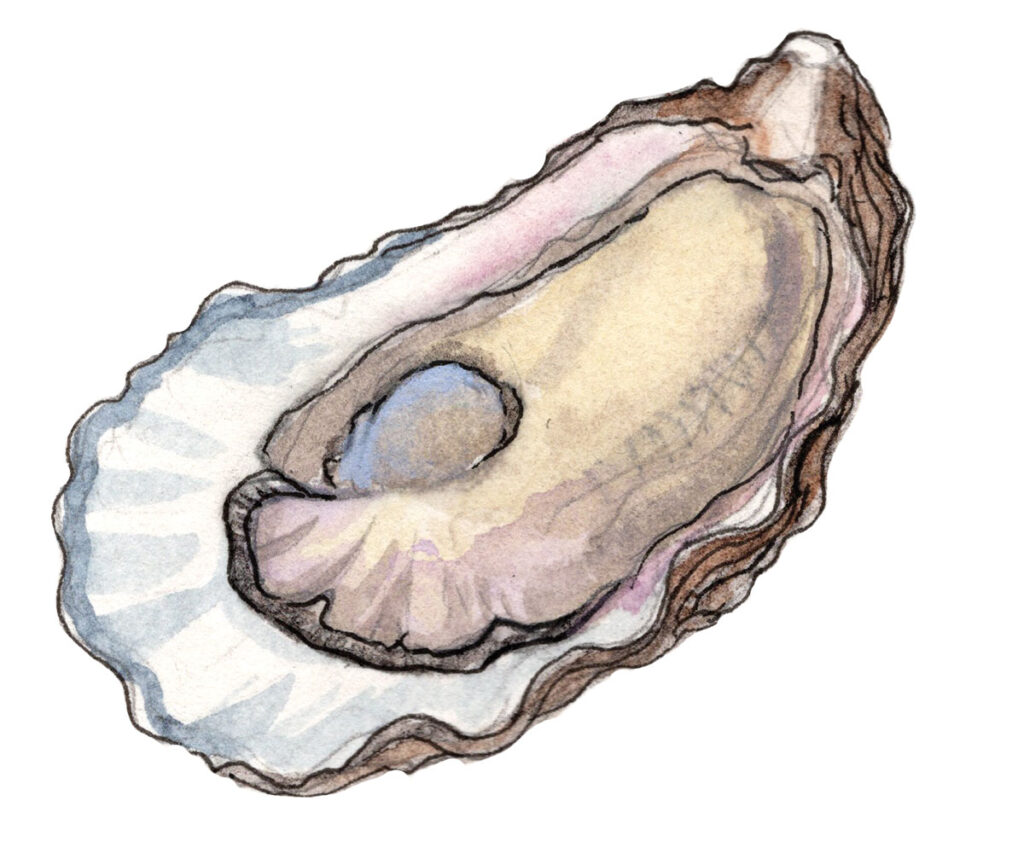
Hog Island Oyster Co. farms their Highwater (Crassostrea gigas) oyster in Humboldt Bay. Lightly briny, it offers a note of seaweed and an earthy finish.
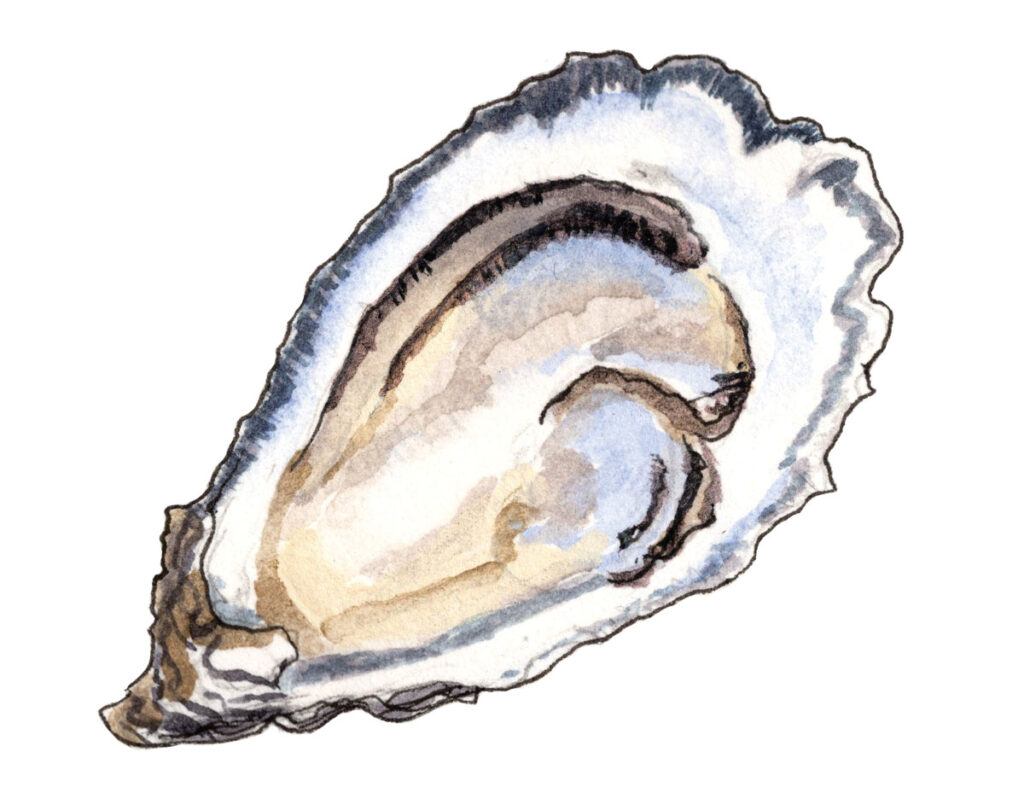
Sweetwater (Crassostrea gigas) is Hog Island Oyster Co.’s signature Tomales Bay oyster. Distinctly sweet and briny, it features a buttery texture and slightly smoky finish.
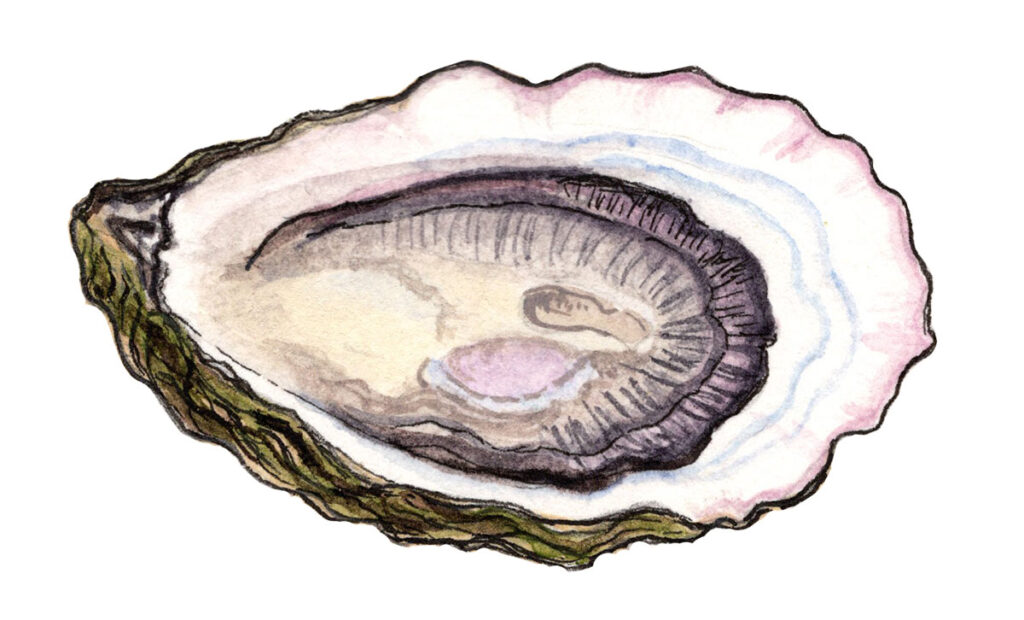
Hog Island Atlantic (Crassostrea virginica) is a small, intensely briny East Coast oyster raised in Tomales Bay. It’s known for its crisp minerality and handsome green-gold shells.
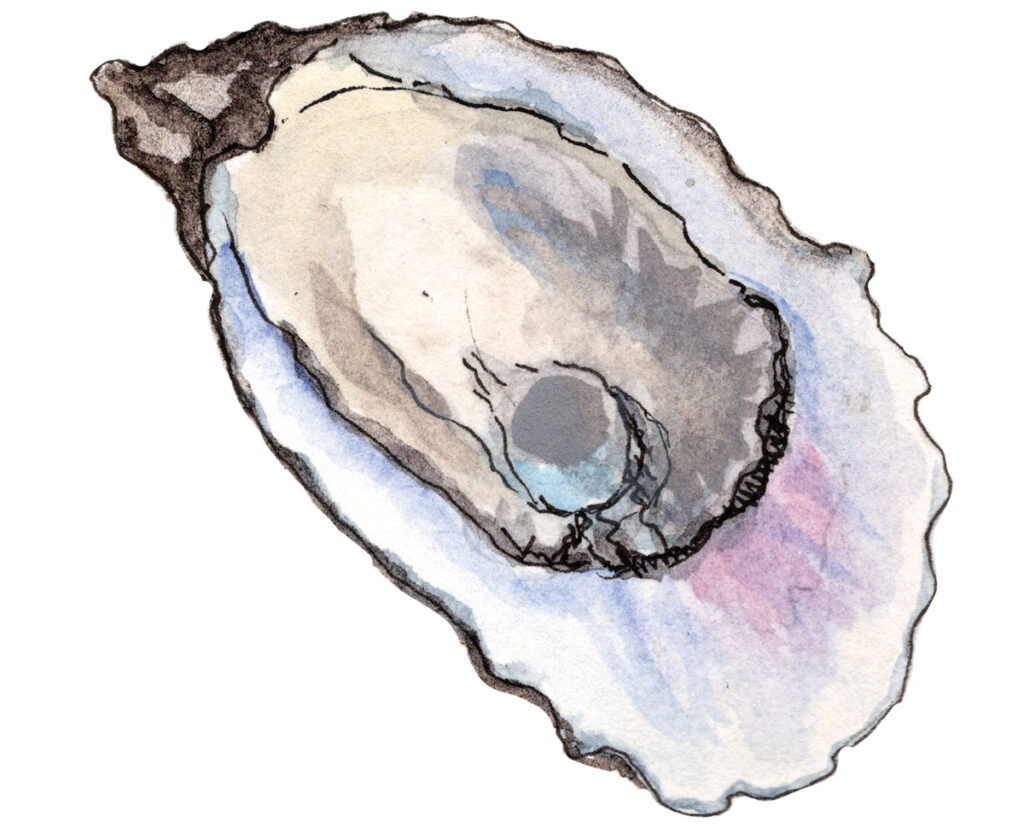
Earthquake Bay (Crassostrea virginica) is a plump, meaty, slightly sweet, and not too briny tumbled oyster developed by Hog Island Oyster Co. and named after its home in Tomales Bay.
For a deeper dive into the world of oysters, visit the Oyster Tasting Guide. This impressive website was immensely helpful to us as we were creating these pages, and we noticed that the authors are looking for reader interaction as they build out their lists of places to eat oysters. Last we checked, their page of Bay Area oyster bars had only San Francisco listings, so let’s help them get the East Bay represented, too!